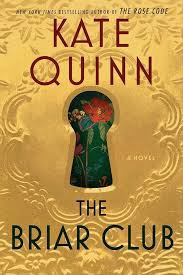
I listened to the audio of The Briar Club. The narrator was great.
On the whole, I went back and forth.
The beginning was good, and had me interested. It picked up, got better and I found myself invested. Then, and maybe it was just me, it slowed down some. More than I would have cared for it to. However, there were people I liked very much (Grace, Nora, Xavier, Pete and Duke the dog because, well, it’s a dog and they’re better than people). Anyway, I digress. I liked them well enough to promise myself I will muscle through and finish.
I am glad I did.
Quinn, as you already know, is a very good writer and an equally good storyteller. But there were times I thought I was walking through mud and couldn’t pick my feet up to get going.
Then, I could.
A twist here. A twist there. A quickening pace and I couldn’t wait for my next opportunity to listen again.
She finished strong and I was very pleased with the ending.
Further, the authors note (love them) and historical notes were terrific once the book ended. Do NOT listen or read them prior to reading the book. It gives away everything.
I gave 3.75 which means, imo, really really good (4 – 4.9 are high recommendations and 5 means stop what you’re doing and buy this book).
Ever think that? It doesn’t happen often but when it does, it is pretty wild isn’t it?
It’s as if they’re in our heads and know what kind of characters we enjoy getting to know. They know all the different kinds of stories that interests us. They know, when all is said and done, our heart will make a promise to our brain that we will never, ever, let us forget them.
But, here’s the magic of it … they know all this before we do.
I love when that happens.
Amor Towles has done that for me. Twice.
He did it with Rules of Civility. He did it again with Table for Two: Fictions.
Table for Two: Fictions consists of six short stories set in New York and a novella in Los Angeles. Most of the New York stories take place around the year 2000. The novella is set in 1930’s Hollywood (old time Hollywood has always been a favorite genre of mine).
I learned recently after he finished Rules, Towles believed the stories of Katey and Tinker have been told in their entirety, but not Eves. Therefore, he wrote an extended story called “Eve in Hollywood’”. He said he did so with an intent for it to be “slim and enigmatic,” but as he admitted later it “was too slim and enigmatic even for me.” So, in 2023 he checked into the Beverly Hills Hotel and “gave Eve the story she deserved.”
Eve is the unassailable Evelyn Ross who leaves NY to go home to Indiana, but doesn’t. She keeps going west to Los Angeles and it is there she begins a new life for herself.
It is told from seven points of view.
Like all the best vintage Hollywood stories it includes a starlet, a washed up actor, cops, cads, salacious pictures and a little blackmail.
As much as I liked Eve in Rules – and I absolutely did – it is here I learn so much more of an extraordinary woman. How much more? I will put it this way. She may not be in a class all to herself, but it would take very little time to call the roll.
Elsa Walcott.
Evelyn Hugo.
Elenor Oliphant.
And now, Evelyn Ross.
Exceptional women whom I will always remember. When Eve comes to mind she will do so with the same fondness and inspiration those I mentioned always do. A person with such thoughtfulness, intellect and an innate goodness at the core of who they are. These women are the very best examples of human kind.
Now, I admit, yes, that I know that Towles has sold over six million books.
I know he has been published in over thirty different languages.
I know that everything he writes is on every bestseller list there is.
And, of course, I know Gentleman in Moscow has become a very successful eight-part streaming series on Paramount.
But even still, I like to think he wrote Rules of Civility and Table for Two: Fictions, just for me.
I suppose you can try and convince me otherwise, but you won’t be successful. Because, that’s the magic of it for me.
Book reviews often begin with the description and, at times, quotes from the book to support why they like or dislike what they have read.
I’m not going to do that. I want you to experience every word, every sentence, every everything just as I did. All for the first time.
Therefore this review is solely based on emotion.
That’s why we read books. Isn’t it?
To be stirred? Stimulate the imagination? Step in another’s shoes? Maybe we do so just because we want to feel.
Every time we crack open a book we wish, and hope, for so much.
That’s why we read books.
But then, there’s THAT book. That magnificent page turning beauty we hope it will be. We all want it. When we hear that binding crinkle it’s first time we are hoping – wishing – it will be something we haven’t experienced before.
I think we are all realistic enough to know we’re not going to find something amazing every time we open one. But we are graciously willing to. accept a “that was good, I liked that,” book and we are on to the next.
This book, however, is different. You CAN WISH for something extraordinary.
Wish for something beautiful.
For something thoughtful and kind.
Wish for something poetic and artistic.
For a story not told before – even if you can liken it to others you’ve read (it was A Little Life for me).
Wish for picture-perfect imperfections with brief and calming respites for your heart. This way the rest of your body can catch up to how hard it is beating.
One you could read again and again, finding more beauty in each experience.
Wish for the book you want to wake up with in the morning, nestled in your arms, not wanting to let these people go (I felt that with A Man Called Ove).
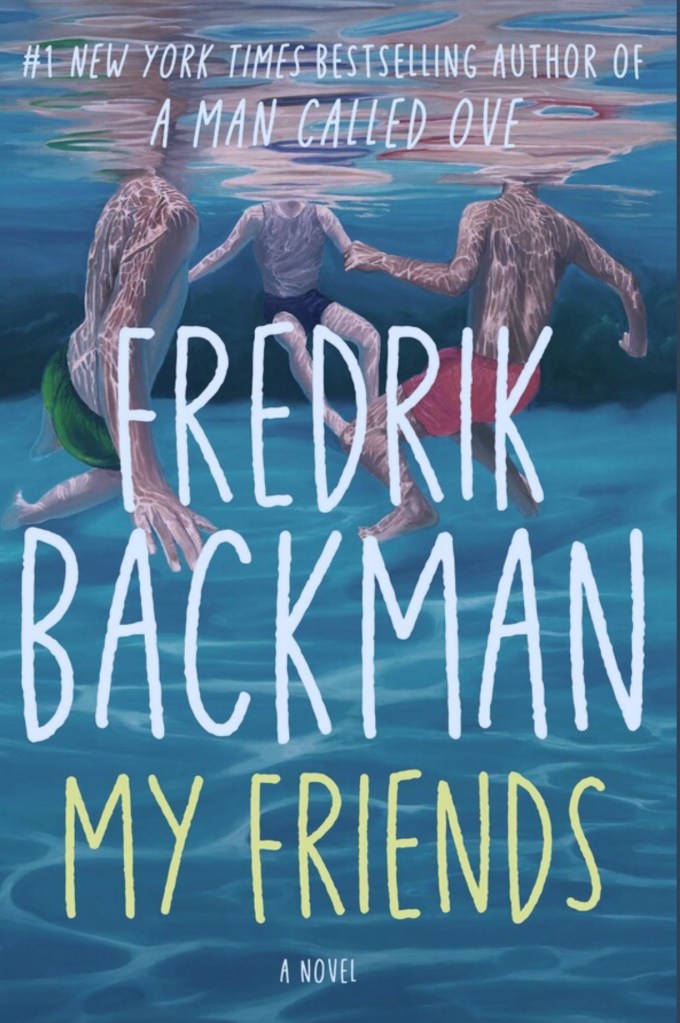
Because when you have finished you’ll realize My Friends will forever be a part of you.
You will feel a want – maybe even a need – to be a kinder and more understanding person than you already are.
You will be stirred by memories of your youth.
You will feel something profound happening in your chest … You’ll realize it is your heart growing larger.
But most of all, and best of all, you will find your wish had come true.
Not unlike all previous books written by Fiona Davis, she captures a strength and resolve in women that, in my opinion, is far too often understated.
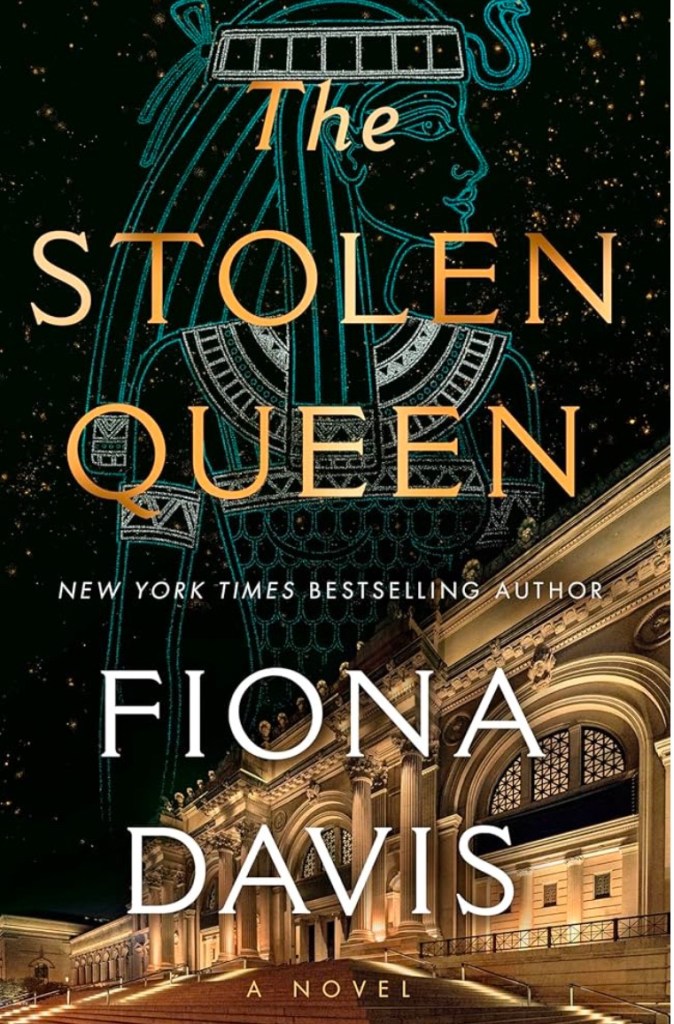
In all eight books she has had published, there is a New York City historical landmark set as the novels centerpiece. These buildings are usually the start of most discussions regarding Davis’ work, and understandably so. Whether it is The Barbizon, The Dakota, or as in The Stolen Queen, the Metropolitan Museum of Art, they’re major players in our story. When she writes she turns brick and mortar into something that lives and breathes. They are expressive characters that leave us with an indelible experience.
But she does so much more than that.
It’s the women. It’s how she writes them.
Davis writes women of strength and character. They are bright and resolute. They show us their vulnerabilities and not once would they be confused as a weakness. They are, and I say this in the most impressive of ways, capable. Capable of reaching heights they work toward.
In The Stolen Queen, Charlotte is our main protagonist and Annie becomes her assistant. These women, like so many she creates, are what I have just described. Both strong, they show their strengths in their own ways.
Charlotte, with her steadfast and determined nature, overcomes a devastating tragedy at a young age. She remained in her profession, in spite of the heartbreaking misfortune and loss she met with in that world. Her research continued and her passion renewed with a theft of an important artifact.
After her loss she lived her life as she chose to. When you consider she was 19 years old in 1938, that, to me, is further testament to her strengths.
Annie, a young and inexperienced woman who played nursemaid to a perfectly healthy but emotionally defective mother, seeks to find her own path. As she did so, I saw in her a perseverance of someone beyond her years. She knows there’s something out there for her. It’s something big and she is relentless in chasing it down.
I have to admit, I went into this one intimidated. I know nothing of, nor have I had a working interest in, Egyptian history. However, to my delight, Davis deftly and easily made that a nonissue.
Throughout the story I was enveloped in her writing style and couldn’t wait to get the next page. Additionally, she continues to master two timelines and pulls them together seamlessly.
The Stolen Queen continues Davis’ terrific run of historical fiction set in New York City.
This woman could make a grocery list gripping.
The only downside I found was, after I finished it, it will feel like forever until her next one.
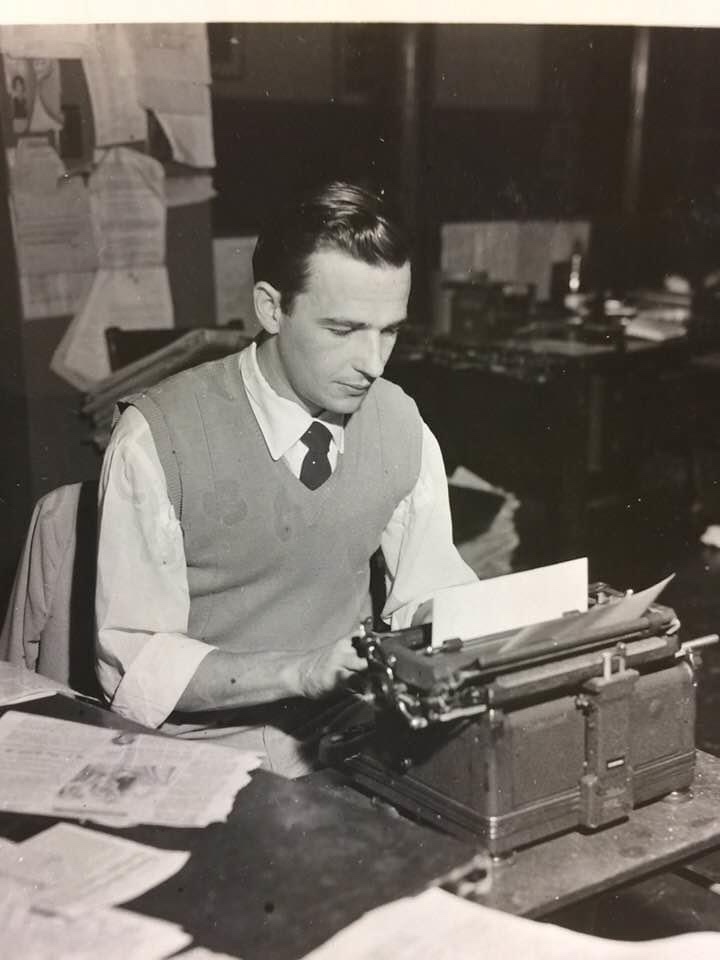
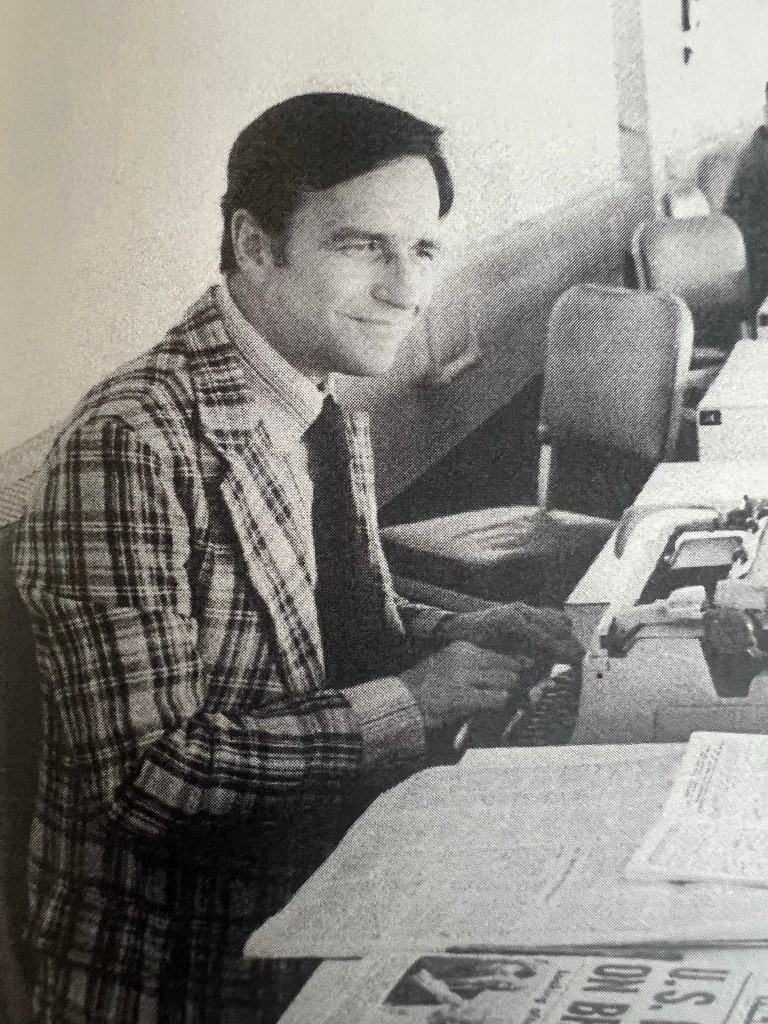
On Sunday, December 18, 2022 at 4:17 p.m. EST, Raymond William Kerrison, 92, died after a brief illness, surrounded by family.
Born March 2, 1930 to Percy James Kerrison and Mary Ann McBride in Adelaide, Australia, Kerrison was the youngest of six children behind Fred, Loretta, Carmel, Mary, and John.
He was preceded in death by his wife of nearly 60 years, Monica (nee Kirby) in 2012, his daughter Maria Terese in 1963, and a son, John Gerard in 1964.
He is survived by his daughters, Catherine, Loretta, Louise and Francesca and sons, Damien, Gregory and Patrick, in addition to 18 grandchildren and 12 great-grandchildren.
Kerrison lived his life with an unassuming nature, an unwavering faith in God and a staunch immovable approach to journalism where facts eclipsed opinion with every word he wrote.
Whether politics or the ponies, he made his mark and was the quintessential New York columnist.
His first role as a journalist came at The Murray Pioneer when their editor Arch Grosvenor asked if he would ever be interested in becoming a reporter. He replied, “I tried everything else there is, why not give this a go.” At that moment, a writing legend took his first steps.
From there Kerrison moved to the Adelaide News in October 1952. Fifteen months later he applied for, and got, a role with the Australian Associated Press. Working for a man he referred to as a tyrant, he gave notice after six months and moved to London to get a job on a Fleet Street paper to better learn the business.
After a time in London, he lost that job and referred to it as one of the absolute worst times of his life. He, his wife and two small children then made their way to America in 1956. Many years later he said that very firing was the turning point of his life. He met with an old friend of his who later introduced him to Rupert Murdoch. The rest, as they say, is history.
Fast forward to the mid-1970’s when he worked as the editor for The National Star. After serving in that role for a while, he tendered his resignation to Murdoch telling him, in essence, “If I wanted to edit a woman’s magazine, I’d go to the Ladies Home Journal, not this …. ‘paper.’ “
Murdoch told him to sit tight. He had something in the works.
At the end of 1976, Murdoch took possession of the New York Post. On January 1, 1977, Kerrison started his career as a turf writer which garnered immediate attention.
Time magazine reported that Murdoch planned on “upping the racing presence in New York,” and it began with Kerrison’s appointment.
Two local competing papers – the Daily News and Newsday – made a mad dash to find and hire the best turf writers they could, to keep pace. They hired terrific racing columnists, both indeed, but neither were the investigative journalist Kerrison was.
His approach was simple. Simple and aggressive. Kerrison vowed to protect the $2 bettor. American racing writers were mere publicity agents at that time. No one caused a stir and the pot laid dormant. Everything in the racing world was going to change, and it did. It changed at Kerrison’s doing.
Turf writers made their animosity known. Racing officials became guarded and, for the most part, trainers and jockeys wanted no part of this Kerrison. He created a demand for accountability from racing officials and racing personnel. Turf writers were pressed to work for a living. Those on the inside, who were well protected, were now vulnerable. Not everyone embraced this change and Kerrison’s daily life at the racetrack was made to be a rather trying one.
However, he was not one to yield in order to satiate the needs of the lazy or the less than respectable.
Quite simply, Kerrison never cared for their opinions. Facts were crucial. Facts were his professional love language. The punters adored him because he had their backs and never quit on them.
Case in point:
It was not long into his tenure at the New York Post that he got the story of the decade. He heard rumblings of a vet who was bringing two horses into the States from Uruguay that looked a lot alike. One of them, however, was considerably better than the other. The plan was simple. Let the slow one run a few races and make the bettors think he couldn’t beat an ailing three-legged donkey. This way, the next time he runs the bettors have such little confidence of that horse his odds become so ridiculously high.
Once the vet felt convinced that was the case, he switched them. He ran the good horse who looked just like the not so good horse. The good one would circle the field and win easily. Meanwhile, as a result, the veterinarian and his crooked cronies are walking to the windows to collect a bucket load of money.
But not for long.
Kerrison told his bosses and they sent him to Uruguay to look deeper. They even had three NYPD Detectives tag-along. They learned the vet’s wife was a major player in this scam, too. When all was said and done and the bad guys caught, they were prosecuted, jailed and barred from racing for life.
This expose put Kerrison on the map. He won The Page One Award for Excellence in Journalism and the Silurian Award, bestowed by veteran journalists to outstanding journalist of the year. The two biggest awards the biggest city in the world offered. He was pleased to have earned both, but neither defined him. Those stories were written. There was more work to do.
He was told that he won a Pulitzer for the story, but the committee overturned it and gave it to some fella in Connecticut. The rumor was it was overturned because they’d never give it to someone who wrote for the Post. Truth be told Kerrison never totally bought into those rumors and made zero efforts to follow-up and see if that was truth. It was not his way. His humility and quiet confidence didn’t lend itself to accolades. A nomination for a Pulitzer was just as good to him. His interest was in facts, great investigative journalism and protecting the horseplayer.
That is who he was working for – the horseplayer.
For those who were interested however, over the next 30 years every major newspaper in New York had won a Pulitzer Prize. All but one. The New York Post.
In later years he, along with fellow racing columnist John Piesen, also helped to uncover the single biggest horserace fixing scam in New York’s racing history. At its end, some went to jail and died there; some lost their riding license and received lifetime bans and some were suspended for a period.
It rattled the racing community and turned it on its ear. Front page news again and again. The best of the best was implicated yet Kerrison focused only on the truth, regardless of consequences and the thugs in the background orchestrating things.
This was Kerrison’s modus operandi. Understated, unassuming, quiet confidence and relentless drive to find the truth, uncover it, and make sure the horseplayer gets a fair shake.
Prior to getting his dream job of being paid to go to the horse track, he also covered some stories of a lifetime.
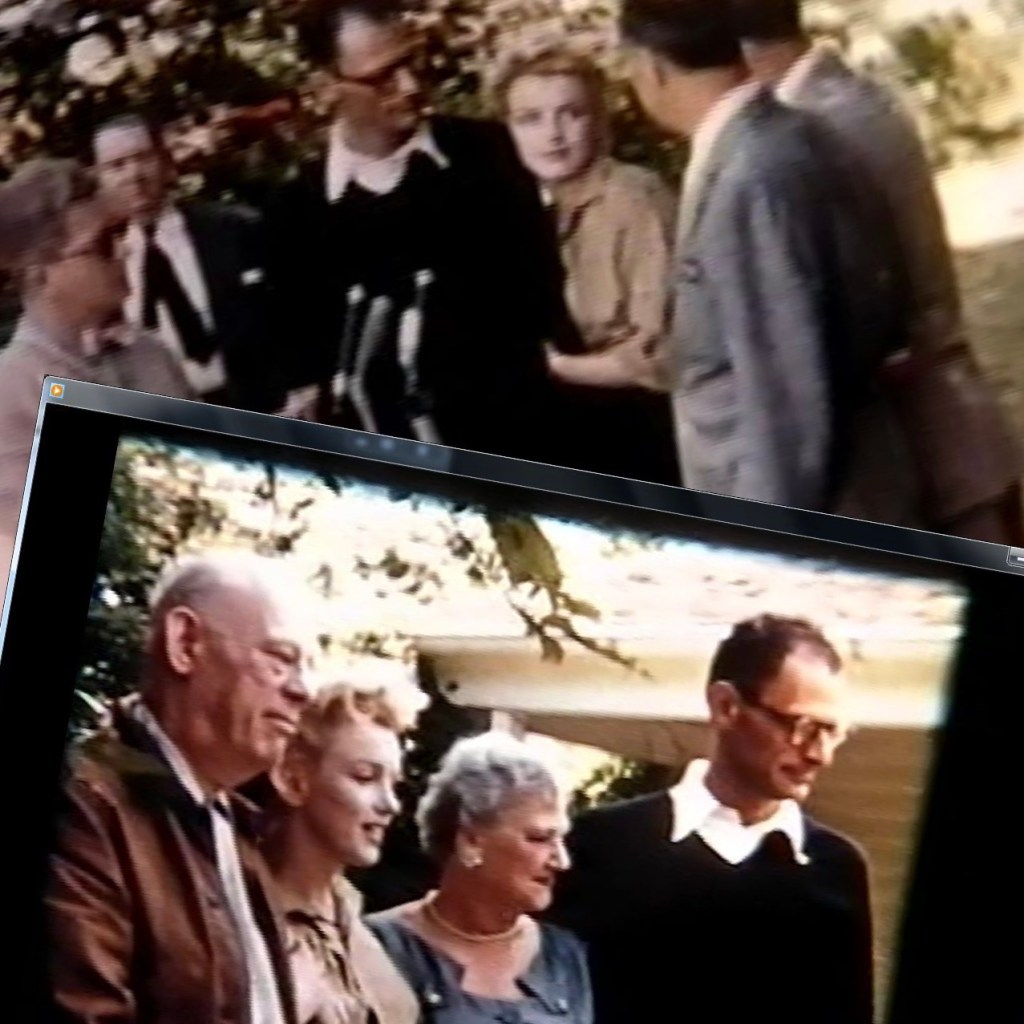
Arthur Miller, his parents, and Marilyn Monroe
• Three months after landing in America, he had gotten an assignment to go to Waterbury, CT to the residence of author Arthur Miller. He brought his wife along and took home movies of their visit. Because when Marilyn Monroe is five feet away from you, you make it a point to document it with film. Miller and Monroe married that same day at the residence.
• Shortly after that, Kerrison was on a boat tour around Manhattan with Elizabeth Taylor and her husband at the time, Mike Todd.
• He interviewed a parade of entertainers – Audrey Hepburn, Sammy Davis, Jr., Judy Garland, and Liberace to name a small handful.
Having a cigarette with Audrey Hepburn
• He met, was invited to sit with, and spent 30 minutes talking to Dr. Martin Luther King on a 1963 flight to Birmingham.
• He covered Elvis Presley’s debut on the Ed Sullivan Show.
• He took a train ride from Denver, CO to Salt Lake City, UT sitting beside John Wayne for every mile, as the Duke was drinking scotch, smoking cigars and carrying on about the movie biz.
• He covered America’s first flight into space at Cape Canaveral.
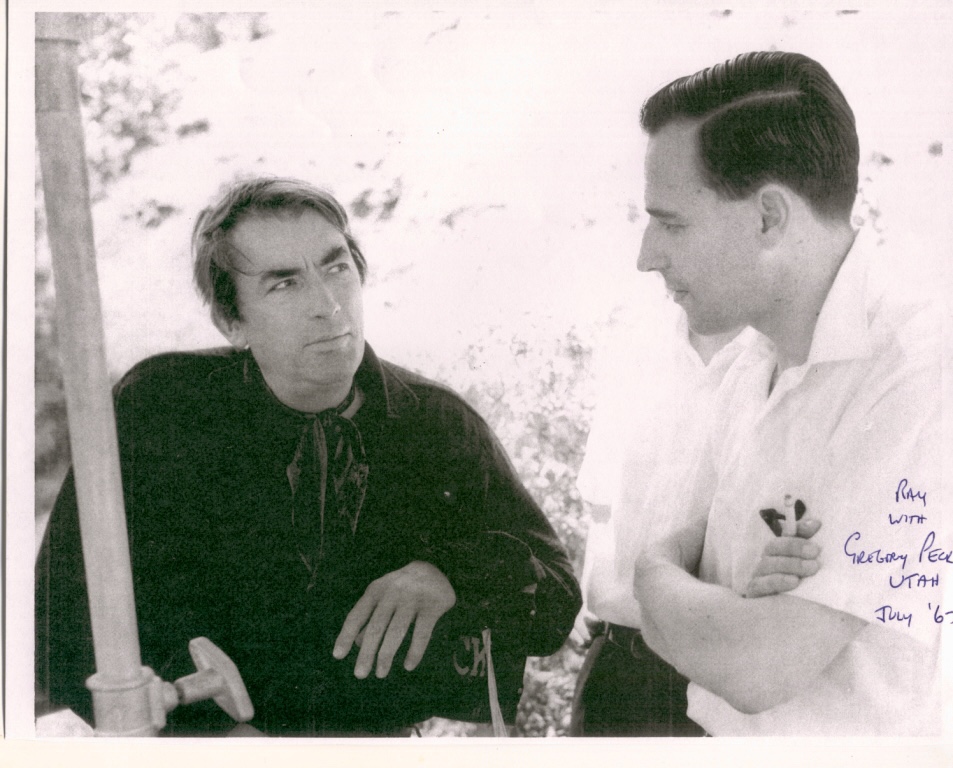
• He spent three days in the Utah desert with actor Gregory Peck.
Gregory Peck and Dad
• He spent seven days in New Orleans covering Roger Moore in his first Bond film – Live and Let Die.
• He has lunched with Charlton Heston, Anthony Quinn, Ernest Borgnine, Phil Silvers, and Ricardo Montalban.
• He was blind-folded and taken to a secret location on Long Island to interview Svetlanov Stalin – daughter of Premiere Russian Leader, Josef Stalin.
With Svetlana Stalin
Throughout his entire journalism career, which spanned better than 50 years, every agreement he had with Murdoch was done with no more than a handshake.
All of that, and so much more, were testaments to his exceptional work ethic and character.
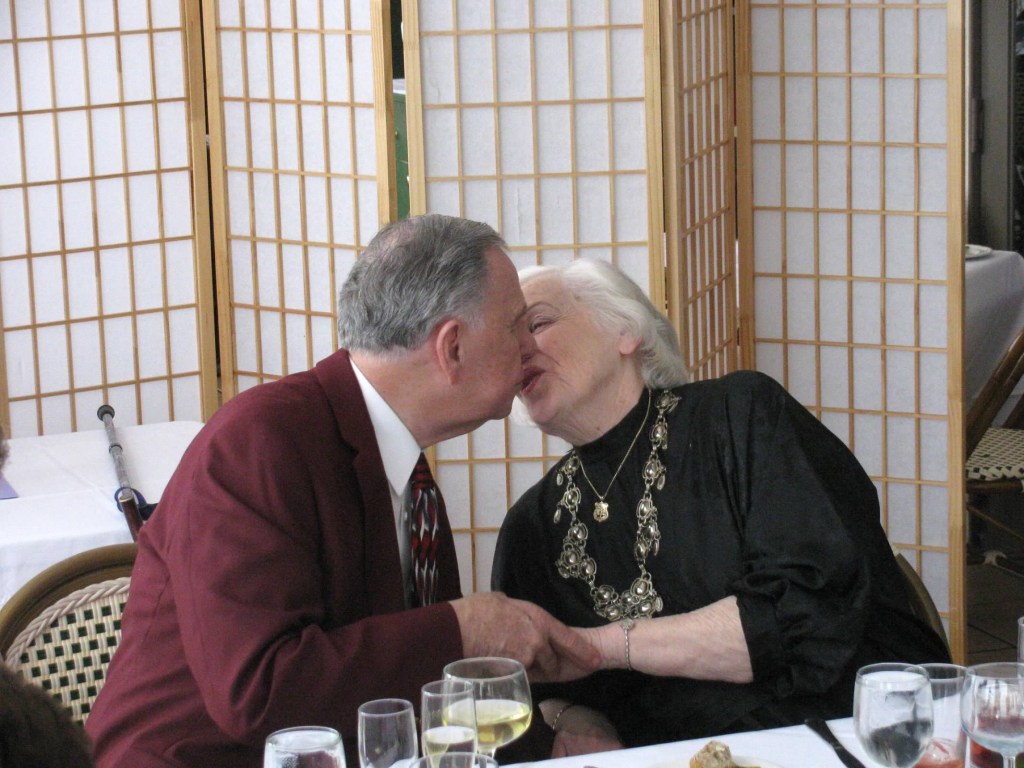
He lived his life as a devout Catholic. A devotion he shared with his beautiful and loving wife Monica for the 59 years and 11 months they were married, until her death in 2012.
Together they had nine children and they lost two very young. Neither ever totally recovered completely from their losses. Their beautiful hearts would never allow it.
They both gave everything they had for all the days they had on this earth. Some harder than others. Some exhausting, some filled with an inestimable amount of joy.
They were tested. Often. Their faith was tested. Their relationship was tested. Their belief in themselves was tested. Their devotion to family was tested. They were tested by their children, seven times over.
Their life together was one test after another. It was their faith in God and each other that led them to the beautiful life they lived together. They made it through every adversity because they had God and each other in their lives.
They were an unimaginable team of role models. Both revered, loved and adored by their children and their grandchildren, as they so deserved.
Then the time came for this story, this life, this magnificent presence on earth, to come to its conclusion. For him to find a peace deserving of such an extraordinary life. To now stand in front of his darling Monica once again and lose himself in those gorgeous blue eyes of hers.
… and to hear her say “Lovey, welcome home.”
Arrangements:
Viewing is Tuesday December 20, 2022 from 5 p.m. to 9 p.m. located at Blackley Funeral Home 809 Broad Ave, Ridgefield, NJ 07657 (201) 945-5032




 horseshoesandwine.com